
Competitive swimming is about performance, speed, and efficiency in the water. While rigorous training is essential, choosing the right swimwear can have a significant impact on your performance. Proper competition swimwear reduces drag, supports your muscles, and provides comfort during intense races. Selecting the wrong swimsuit, on the other hand, can hinder your performance and distract you from focusing on your technique.
This guide explores how to choose swimwear for swimming competitions, highlighting key factors such as fit, materials, designs, and rules that help swimmers achieve their best performance.
Understand the Importance of Fit
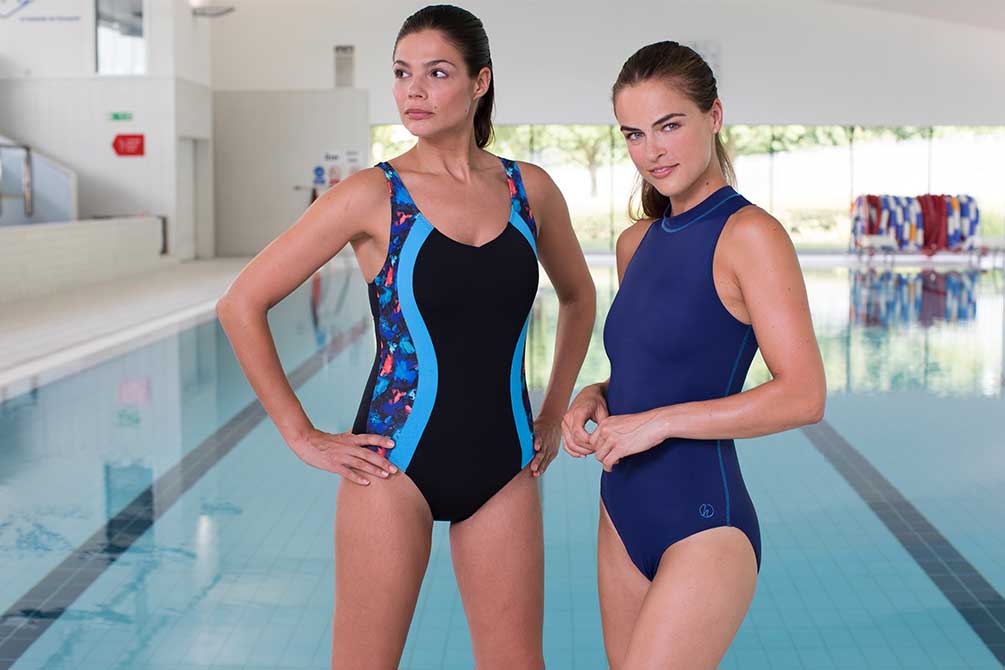
Fit is the foundation of effective competition swimwear. A well-fitted swimsuit minimizes drag, stays securely in place, and allows full range of motion. For women, competition swimsuits often include one-piece designs with reinforced straps and compression panels to provide support and reduce water resistance. For men, swim briefs, jammers, or tech suits are ideal as they fit snugly around the waist, hips, and thighs, allowing for efficient movement in the water.
It’s crucial to try on swimsuits before a competition or follow precise sizing charts. Ill-fitting suits, whether too tight or too loose, can create discomfort, restrict mobility, and reduce speed. A proper fit ensures both comfort and competitive advantage.
Choose the Right Materials
Competition swimwear is crafted from high-performance fabrics designed to enhance speed and durability. Polyester, polyamide, spandex blends, and advanced materials like PBT or technical compression fabrics are common choices.
These fabrics offer several advantages:
- Chlorine Resistance: Long-lasting materials maintain their shape and color despite frequent exposure to pool chemicals.
- Stretch and Compression: Fabrics provide muscle support and reduce vibration, improving efficiency and endurance.
- Hydrodynamics: Smooth, water-resistant materials minimize drag and allow faster movement through the water.
Selecting the right material ensures that your swimsuit supports performance while withstanding rigorous competition conditions.
Consider Coverage and Design
Competition swimwear comes in a variety of designs tailored to different needs and rules. Women’s suits typically range from knee-length to hip-length tech suits or traditional one-pieces. Men often wear jammers, briefs, or full-length tech suits.
Design choices affect both comfort and performance. Suits with reinforced seams and panels provide support to key muscle groups, while high-cut legs or streamlined silhouettes reduce resistance in the water. When choosing a swimsuit, ensure it complies with competition regulations set by governing bodies like FINA, which dictate allowable suit types and coverage.
Compression and Muscle Support
Many competitive swimsuits are designed with compression technology to support muscles, improve circulation, and reduce fatigue. Compression suits help maintain body alignment in the water, increase buoyancy, and enhance speed by reducing resistance.
For women, suits with torso and thigh compression can improve efficiency in strokes such as freestyle, backstroke, and butterfly. For men, compression jammers or full-tech suits provide similar benefits while maintaining flexibility and freedom of movement. Investing in high-quality compression swimwear can make a noticeable difference in race performance.
Durability and Care
Competitive swimwear must withstand frequent training sessions and repeated exposure to chlorine or saltwater. Proper care extends the life of your swimsuit and preserves its performance features. Rinse immediately after swimming, avoid wringing, and air dry away from direct sunlight to maintain fabric integrity.
Investing in durable swimwear ensures consistent performance, avoids unnecessary replacements, and maintains comfort and style throughout the competition season.
FAQs About Swimwear for Competitions
1. Can I wear any swimsuit for competitive swimming? No. Competition swimsuits should be designed for performance, providing fit, compression, and hydrodynamics suitable for racing.
2. What fabric is best for competition swimwear? Polyester, polyamide-spandex blends, and PBT fabrics offer durability, stretch, chlorine resistance, and reduced drag.
3. How important is compression in competition swimsuits? Compression supports muscles, reduces fatigue, improves circulation, and enhances hydrodynamics, making it highly beneficial for competitive swimmers.
4. Are there rules about swimwear in competitions? Yes. Governing bodies like FINA regulate suit types, materials, and coverage. Ensure your swimsuit complies with these rules.
5. How do I care for my competition swimsuit? Rinse immediately after swimming, avoid twisting or wringing, and air dry away from direct sunlight to maintain performance and durability.
Conclusion
Choosing the right swimwear for swimming competitions is critical for performance, comfort, and confidence in the water. A well-fitted swimsuit with high-quality, hydrodynamic fabrics and supportive design enhances speed, reduces drag, and provides necessary muscle support.
By understanding your body type, selecting the right material and compression features, and following care guidelines, you can ensure that your swimsuit helps you perform at your best. Proper competition swimwear is an investment in both performance and confidence, allowing you to focus on technique, speed, and enjoying the thrill of competitive swimming.